present:
- Population Differentiation & Adaptive Significance of Nyssa sylvatica (advised by Dr. Meghan Blumstein)
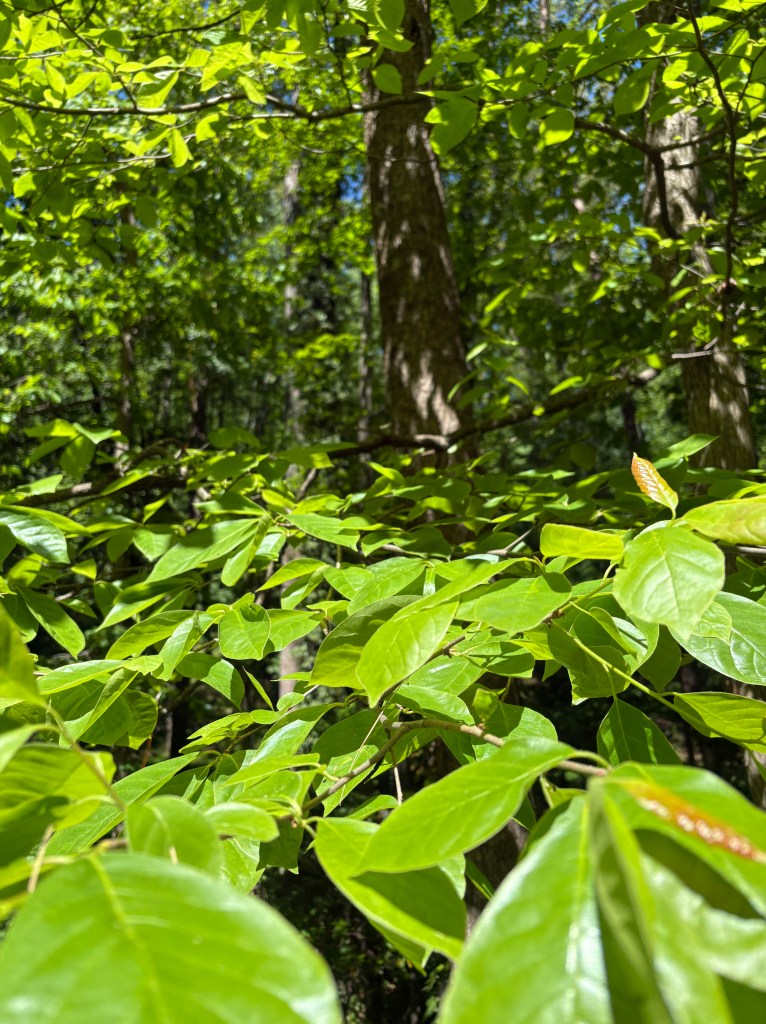
Nyssa sylvatica, commonly known as blackgum, is a facultative, deciduous tree species present in a variety of ecological communities in eastern temperate forests. Facultative species have an equal probability of occurring in wetland and non-wetland environments; examples include sweetgum (Liquidambar styraciflua) and red maple (Acer rubrum). In forest environments, blackgum can be found anywhere from dry upland forests to saturated soils and riverbanks. Blackgum are commonly used as street trees and decorative plantings in urban and suburban settings due to their attractive fall foliage and tolerance to urban environmental conditions including road salts, heat, and pollution. Blackgum can be found in a remarkable variety of environments, but what enables this? Is this broad range of tolerances a product of plasticity, or has blackgum genetically adapted to these various microclimates?
Trees can generate thousands of genetically diverse offspring each year; if one happens to fall in the right microsite (e.g. light, soil, moisture), it will germinate and potentially live on for hundreds to thousands of years. This research aims to understand the degree to which microenvironmental variation creates and maintains genetic differentiation in tree species within populations. Using blackgum as a proxy for other facultative tree species, this research investigates the adaptive capacity of N. sylvatica to respond to rapid environmental change.Furthermore, how does this genetic differentiation influence how we should be moving plants across landscapes? Perhaps blackgum growing in wet environments are genetically predisposed to have higher tolerances to environmental instability. If this is the case, should we prioritize moving those more resilient genotypes?
In collaboration with: Paint Rock Forest, Blandy Experimental Farm, Mohonk Preserve, Vassar College, and Central Arkansas University
- Phenology Trail Implementation and Monitoring
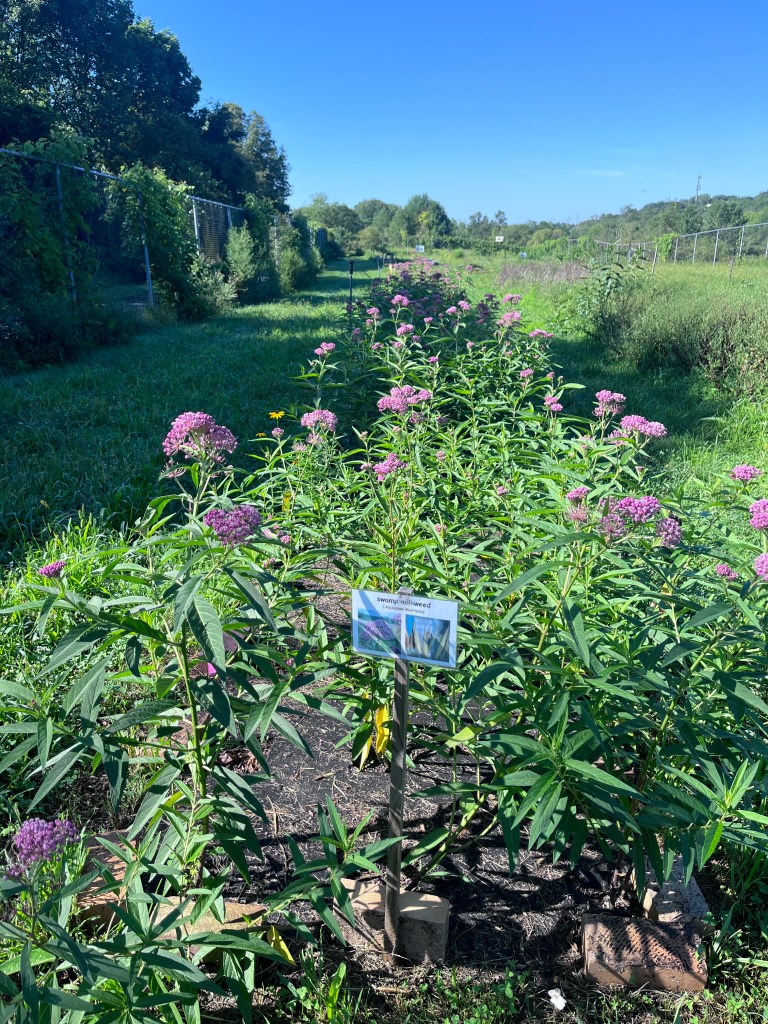
Constructing phenology trails for public outreach and engagement at both Blandy Experimental Farm/ Virginia State Arboretum, and Morven Sustainability Lab, two properties stewarded by the University of Virginia.
past:
- Vassar College Native Plant Propagation Program (2023 -2025)
- Created Vassar College’s Native Plant Propagation Program, collecting seed from, growing, and distributing more than 5000 (~150 species) native, ecotypic plants to the Hudson Valley Community.
- Vassar – Kenauk Conservation Fellowship (2023 – 2025)
- Research-based fellowship connecting The Preserve at Vassar and The Kenauk Institute. Assisting with graduate field research and building a framework for seed collection and propagation at the Kenauk Institute.
- Urban Arborist – Arcadis & NYC Parks (2022 – 2023)
- Oversaw contracts for New York City Parks Department regarding urban street tree planting and ecological restoration projects across all five boroughs.
- Forest Health Monitoring – NPS: NETN, MIDN (Field Season 2022)
- Long-term forest health monitoring in the Northeast Temperate Network and the Mid-Atlantic Network for the Inventory and Monitoring branch of the National Park Service.
- Surveyed over 200 permanent forest plots across 20 different National Parks and National Historic Parks between Virginia and Maine.